


Acrylic Mediums
-
Sale
-

-

-

-
-
-
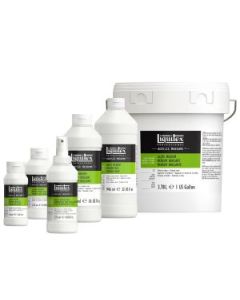
-
-
-
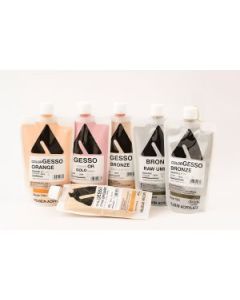
-

Buy Acrylic Mediums & Additives Online
Acrylic mediums unlock creative possibilities beyond paint-from-the-tube capabilities. These specialized formulations modify working properties—extending drying time, creating texture, adjusting sheen, or improving transparency—without compromising the acrylic polymer structure. Gloss and matte mediums alter surface finish, gel mediums build three-dimensional textures, and retarders slow drying for extended working / blending time. Professional painters rely on mediums to achieve specific effects impossible with paint alone, from delicate transparent glazes to thick impasto peaks. Understanding which medium serves which purpose transforms your acrylic painting from basic to sophisticated.
Compatibility Guide
Acrylic mediums work exclusively with acrylic paints—never mix them with oils, which require oil-based mediums. Within the acrylic family, most mediums prove compatible across brands, though sticking with single manufacturers ensures predictable & consistent results. Always add mediums gradually, testing mixtures on scrap before committing to finished work. Some mediums (like texture gels) combine successfully, while others (retarder with flow improver) may counteract each other’s effects. When building complex mixtures, research compatibility or conduct small tests. Mediums intended for specific purposes (pouring medium versus glazing medium) deliver best results when used as designed rather than substituting arbitrarily.
Key Features & Usage
Gel mediums create body and texture while maintaining paint workability. Soft gel extends paint volume without thinning, while heavy gel creates dimensional impasto effects. Mix with paint (typically 1:1 to 3:1 medium:paint ratios) for desired effect. Texture gels contain aggregates—pumice, glass beads, fiber—creating specific surfaces. Apply alone as textured ground or mix with paint for colored texture.
Gloss medium increases transparency and shine while extending paint. Ideal for glazing techniques where transparent colour layers build depth. Matte medium creates non-reflective surfaces, useful for eliminating glare in displayed work. Satin medium falls between gloss and matte, providing subtle sheen. Mix with paint or apply as final coating unifying surface appearance.
Retarder / Slow-Drying mediums extend working time from standard 15-30 minutes to an hour or more. Add small amounts (5-15% of paint volume); excessive retarder prevents proper drying and may cause surface tackiness. Particularly useful for blending, wet-into-wet techniques, and outdoor painting in hot & dry conditions.
Flow improver / Airbrush medium thins paint while maintaining binder strength which water alone can’t provide. Essential for airbrush work and spray applications requiring low viscosity without compromising adhesion. Pouring medium creates optimal consistency for fluid art techniques, enabling paint to flow and interact while maintaining colour intensity.
Best Price & Delivery Guarantee
Building a comprehensive medium collection represents significant investment, but these products extend paint considerably, often proving economical long-term. Art Lounge maintains competitive pricing on professional mediums from Winsor Newton, Pebeo, Liquitex and other leading brands—ranges whose technical formulations justify their cost through reliable performance. We source directly from authorized distributors, ensuring fresh products within optimal shelf life. Delivery reaches major cities across India within 2-5 business days, with secure packaging protecting bottles during transit. Damaged or defective products reported within 48 hours receive prompt replacement. Professional mediums shouldn’t be luxury items—our pricing ensures working artists can access complete systems at sustainable costs.



