


Aqua Varnish
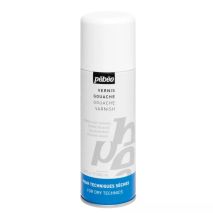

Buy Watercolour Varnish & Fixatives Online
Aqua varnish provides protective coating for watercolour paintings, gouache work, and water-based mixed media art. Traditional wisdom suggested watercolours shouldn’t be varnished, but modern formulations enable protective finishes without yellowing, darkening values, or compromising the medium’s characteristic matte luminosity. These specialized products shield finished artwork from atmospheric pollutants, handling marks, and UV light while maintaining the delicate appearance that makes watercolour distinctive.
Compatibility Guide
Aqua varnishes work specifically with water-based media. They’re formulated for watercolour, gouache, watercolour pencils, water-soluble crayons, and acrylic inks applied on paper. The water-based formulation ensures compatibility—solvent-based varnishes designed for oil or acrylic paintings can rewet and disturb watercolour layers.
Application requirements include:
- Fully dried artwork: Ensure paintings have cured completely (minimum 24 hours, 48-72 hours for heavy applications)
- Quality paper: Use archival watercolour paper—thin papers may buckle or warp under varnish application
- Clean surfaces: Dust or debris sealed under varnish becomes permanent; clean artwork gently before application
- Flat positioning: Apply varnish with artwork horizontal to prevent running or pooling
Aqua varnish integrates into conservation framing strategies. While traditional glass-framed watercolours need nothing additional, varnished watercolours can be displayed unglazed or in open shadow boxes, creating dimensional presentation opportunities unavailable with standard framing.
Key Features & Usage
Application methods: Spray varnishes provide even coverage without brush marks, ideal for delicate watercolours where brush contact might lift colour. Brush-on formulations allow controlled application and work well for mixed media pieces with varied surface textures.
Sheen options: Most aqua varnishes offer matte, satin, or gloss finishes. Matte preserves watercolour’s traditional appearance closest. Satin adds subtle sheen while maintaining paintings’ characteristic softness. Gloss dramatically intensifies colours but can make watercolours look like acrylic paintings.
UV protection: Quality varnishes include UV inhibitors reducing light-induced fading. While not replacing proper display conditions (avoiding direct sunlight), UV varnish provides additional protection for lightfast pigments.
Reversibility: Some aqua varnishes remain water-soluble after drying, allowing removal if needed. Others cure to water-resistant finishes providing stronger protection but making removal difficult. Check product specifications based on whether you prioritize reversibility or permanent protection.
Build-up potential: Multiple thin coats provide better protection than single thick applications. Allow 2-4 hours between coats. Three thin layers typically provide adequate protection for most environments.
Best Price & Delivery Guarantee
Our aqua varnish pricing reflects our commitment to accessible art conservation materials. Protective treatments shouldn’t be luxury items—every artist deserves access to products that preserve their work. We’ve confirmed our rates beat major competitors across all varnish categories. Orders ship within 2-5 business days to major Indian cities via secure packaging preventing leakage or damage. Bottles arrive with sealed caps and protective cushioning. Received spilled, dried-out, or otherwise unusable product? Contact us within 48 hours—we’ll dispatch replacements immediately.



