


Journals, Sketchbooks & Notebooks
-

-
 Anupam Artist Drawing Book Natural Shade 120 GSM Optimal Coarse Surfacefrom ₹300 to ₹300Out of stock
-
 Rhodia - Hardcover - Blank Ultra Smooth Surface - 90 GSM - Webnotebookfrom ₹995 to ₹2595Out of stock
-
 Rhodia - Classic Black - Dot Grid - White Ultra Smooth Surface - 80 GSM - Notebookfrom ₹310 to ₹450Out of stock
-

-




Buy Premium Sketchbooks & Art Journals Online in India
For artists and creatives, sketchbooks serve as both practice grounds and repositories of inspiration. The right journal becomes an extension of your creative process, traveling with you to capture fleeting ideas, develop compositions, and refine techniques. From fountain pen-friendly notebooks to mixed media journals that handle wet techniques, the paper quality and binding style profoundly affect how you work and how your art endures over time.
Understanding Paper Weight & Texture
Sketchbook paper weight determines what media it can successfully handle. Lightweight papers (80-100 GSM) suit dry media like graphite, colored pencils, and light ink work. They’re economical for daily sketching but won’t tolerate significant erasing or wet media. Drawing papers are medium weight papers (120-180 GSM) represent the sweet spot for most artists—robust enough for a few watercolor washes, markers, and pen work while keeping the book from becoming too heavy to carry.
Heavyweight paper (200-300 GSM) opens possibilities for full watercolor paintings, heavy gouache application, and mixed media techniques within your sketchbook. The tradeoff? These books carry more weight and bulk, which may limit portability. Consider how you’ll primarily use your journal when selecting paper weight.
Surface texture affects your mark-making experience. Smooth papers showcase fine detail and produce clean ink lines—ideal for technical drawing, manga work, and precise illustration. Medium tooth papers grip dry media better, creating rich graphite / charcoal marks and vibrant colored pencil applications. Rough surfaces suit expressive watercolor techniques but can make detailed pen work challenging.
Material Composition Matters
Cotton rag paper represents the gold standard for archival journals. It resists yellowing, handles water beautifully, and maintains strength even when wet. However, cotton content increases cost substantially. Alpha cellulose papers offer excellent performance at more accessible price points—they’re acid-free and age-resistant while providing good erasability and water tolerance.
Bamboo / Sugarcane / Hemp / Agave papers have gained popularity for their environmental sustainability and smooth surface quality. They perform exceptionally well with fountain pens and fine liners. Recycled papers appeal to eco-conscious artists, though they may have slightly less consistent surfaces than virgin fiber papers.
Binding Styles: What Works for Your Creative Process?
Hardbound journals with sewn signatures lay flat when opened, allowing you to work across the entire spread without fighting the binding. They’re durable enough for daily studio use but can feel formal or precious, sometimes creating psychological barriers to experimental work.
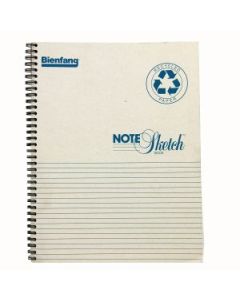
Spiral-bound sketchbooks fold completely back on themselves, perfect for drawing on-location where space is limited. Pages remove cleanly if you want to frame finished pieces. The wire can interfere with working across spreads, and the binding isn’t as durable for long-term archival storage.
Perfect-bound notebooks offer sleek profiles and clean aesthetics. However, they won’t lay flat initially and may require breaking in. They’re best suited to sequential work rather than spread compositions.
Coptic-bound and accordion-fold journals appeal to book artists and mixed media workers who value unique presentation formats and the ability to display work as continuous panels.
Best Uses for Different Journal Types
Travel sketchbooks with hardcovers protect your work in backpacks and provide stable drawing surfaces when working away from a table. Pocket-sized options slip into jackets for capturing quick observations. Landscape-oriented journals suit architectural sketching and panoramic compositions. Portrait formats accommodate figure drawing and full-length studies.
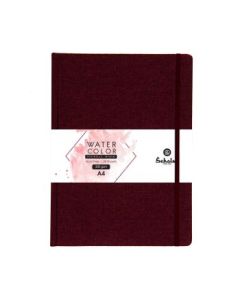
Mixed media journals with heavier paper support collage, acrylic glazes, ink washes, and dimensional techniques. Watercolor sketchbooks feature cold-press paper and may include perforated edges for easy removal. Drawing journals with smooth surfaces excel for graphite rendering, colored pencil work, and fine pen detail.
Bullet journals and dot grid notebooks serve as planning tools and creative outlets, combining organization with artistic expression. Fountain pen journals feature bleed-resistant, smooth paper that showcases ink sheen and shading properties.
Top Brands We Stock
- Hahnemuhle: German brand extremely famous globally for their wide range of Sketch journals, pads and spiral bound made from a variety of papers for all kind of uses from Watercolour, Mixed Media, Drawing, Sketching, Inks etc.
- Winsor & Newton: British brand offering a wide range of pads for all kind so f uses.
- Art Essentials: made from European papers, carefully selected for Wet & Dry techniques with options from natural white to toned grey & toned tan papers to suits all your needs.
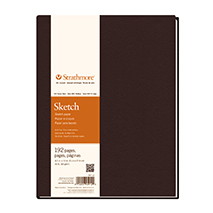
- Strathmore: American-made journals featuring quality paper suitable for multiple media at accessible prices
- Canson: Extensive range from student sketch pads to professional mixed media journals
- Etchr: Premium watercolor sketchbooks designed by artists for travel and outdoor painting
- Rhodia: French notebooks beloved by fountain pen enthusiasts for ultra-smooth surfaces
- ZEQUENZ: Innovative 360-degree binding allows complete fold-back capability
- Midori Collective: Japanese-style notebooks with refined paper quality and minimalist design
Authenticity & Fast Delivery
We source all sketchbooks and journals directly from authorized brand distributors, guaranteeing you receive authentic products with proper paper specifications. Premium journals represent significant investments in your creative practice—counterfeits with inferior paper waste both money and artistic effort.
All orders ship securely packaged to prevent cover damage and corner bending during transport. Delivery to major Indian cities typically occurs within 2-5 business days. Should you receive a damaged journal, reach out within 48 hours with photos for immediate resolution at no additional cost.



