


Silk Paint & Gutta
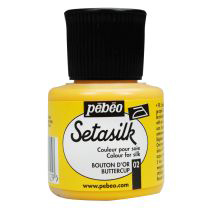


Shop Silk Paint, Silk Colour & Gutta at Art Lounge
Art Lounge stocks the full professional silk-painting range used by Indian textile artists, scarf and dupatta painters, art-school students, and silk-saree decorators — Pebeo Setasilk (France) for water-based silk colours and gutta outliners; Jacquard (USA) Green Label and Red Label silk dyes plus Dye-Na-Flow and the full gutta resist range (water-based and solvent-based); and Marabu (Germany) silk paint plus Contours & Effects water-based outliners. Silk paint from ₹450, gutta resist from ₹375. (Also searched as silk colour, silk colour paint, silk fabric colour, silk fabric paint, or silk colours — same product category, all the same Indian-English variants.) Every product ships fresh from authorised distributors with a price-match guarantee and 2–5 day delivery across India.
Searching for "gutta percha"? Gutta percha is a natural latex used in dentistry (root-canal fillings) and golf-ball cores — completely different from silk-painting gutta. Silk-painting gutta is a resist outliner that draws temporary lines on silk to contain colour washes within shapes (the Serti technique). The products on this page are silk-painting gutta and silk paint, not dental or industrial gutta percha.
Related categories on Art Lounge
- Fabric Paint & Fabric Colour — Pebeo Setacolor, Jacquard Neopaque, leather paints & screen-printing inks for cotton, linen, denim & canvas
- Fabric & Craft Dyes — Jacquard Procion MX fiber-reactive dyes, immersion dyes, tie-dye kits
- Fabric Markers & Liners — Pebeo, Jacquard, Marabu, Edding fabric marker pens for outlines and detail
- Blank Fabrics & Items to Decorate — silk scarves, cotton items, ready-to-paint blanks
- Fabric Mediums & Glues — fixatives and binders for fabric work
- Iron-on Transfers & Heat-Setting Tools — for fabrics that take iron-fixing instead of steaming
Silk Paint & Gutta Prices in India — Brand by Brand
Silk paint pricing reflects pigment quality, the type of fixing required (steam-set vs iron-set), and whether the product is a true silk dye or a fabric paint formulated to behave like one on silk. Here's what each line we stock actually costs:
| Product | Type | Size / format | Price | Best for |
|---|---|---|---|---|
| Pebeo Setasilk Water-Based Gutta Outliner | Water-based gutta resist | 20 ml tubes; gold, black, colourless | ₹375 – ₹1,805 | Beginner-friendly outlines; washes out with warm water; no solvents |
| Jacquard Dye-Na-Flow | Concentrated liquid fabric dye | Ready-to-use bottles | ₹435 | Watercolour-on-silk effects, blending wet-on-wet, soft-hand finish |
| Pebeo Setasilk Silk Paint (45 ml) | Water-based silk paint | 45 ml bottles; 20+ colours plus lightening medium | ₹450 – ₹465 | Iron-set silk painting; the most popular professional silk paint in India |
| Jacquard Green Label Silk Colour Dyes | Acid silk dye | Bottles | ₹455 | Steam-set silk dyeing; brilliant transparent colour, the silk's natural lustre preserved |
| Marabu Contours & Effects Water-Based Outliner | Water-based gutta / outliner | 25 ml tubes | ₹499 – ₹550 | Decorative outlines, raised relief lines, gold/silver/clear effects on silk |
| Marabu Silk Paint | Water-based silk paint | 50 ml bottles | ₹640 | Iron-set silk painting; smooth flow, German pigment quality, also works on fine cotton |
| Marabu Fashion-Spray Fabric Colours | Spray fabric paint | Bottles with spray applicator | ₹640 | Background gradients on silk & cotton; stencil work; misting effects |
| Marabu Fashion-Shimmer | Pearlescent fabric paint | Bottles | ₹775 | Metallic / pearlescent accents on silk and fabric |
| Jacquard Red Label Silk Colour Dyes | Professional acid silk dye | Bottles & sets | ₹1,550 – ₹4,399 | Highest-pigment-load professional silk dye; steam-set; the dye system used in serious silk-painting studios |
| Jacquard Solvent-Based Gutta Resist | Traditional solvent-based gutta | Bottles & bulk sizes | ₹2,347 – ₹6,319 | The traditional Serti-technique gutta — strongest line definition, dry-clean removal |
Prices listed are per product line — individual colours may vary slightly. Verify live prices on the category page above.
Silk Paint vs Silk Colour vs Silk Dye — What's the Difference?
Three terms that overlap heavily in Indian search and signage. Here's how they actually differ:
Silk paint — pigment suspended in a water-based binder (similar chemistry to fabric paint). Sits on or just below the silk surface. Iron-set after drying. Slightly stiffens the silk. Examples on this page: Pebeo Setasilk Silk Paint, Marabu Silk Paint. Best for beginners and decorative work where you don't need the silk to keep its full natural drape.
Silk dye — true acid dye that chemically bonds with the silk fibre. Steam-set after drying (1–3 hours of steaming above water). Preserves silk's full lustre, drape, and softness — the silk feels exactly like un-painted silk after fixing. Examples: Jacquard Green Label and Jacquard Red Label silk dyes. Best for scarves, dupattas, and high-end work where silk hand-feel matters.
"Silk colour" (Indian English) — generic term used in India for either of the above. When an Indian artist says "silk colour" they almost always mean silk paint or silk dye — the same products covered on this page. The phrase "silk colour paint" is the most common Indian search variant. We use silk paint, silk colour, and silk dye throughout this page because Indian artists search all three interchangeably.
Other related terms used on this page: silk fabric colour = silk colour applied to fabric (synonymous), silk colour for fabric painting = same, silk painting colours = same, fabric paint for silk = often Jacquard Dye-Na-Flow or Pebeo Setasilk used on silk, silk colour paint for fabric price = pricing query (₹450 onwards on this page).
Gutta & Resists — What They Are and Which to Choose
Gutta is the line-drawing resist that contains silk paint within outlined shapes — the foundation of the Serti technique, the dominant silk-painting method worldwide. You draw your design in gutta first; once dry, painted colour stops at the gutta lines and stays inside the shape. Without gutta, silk paint flows uncontrollably across the silk and produces blurred edges everywhere. With gutta, you get crisp scarf and saree designs.
Two chemistries, four product types stocked:
| Type | Removal | Best for | Products we stock |
|---|---|---|---|
| Water-based gutta (clear / transparent) | Washes out with warm water after fixing | Beginners, scarves you'll hand-wash, no-solvent studios, finer line work | Pebeo Setasilk Water-Based Gutta Outliner (Colourless) ₹375 |
| Water-based gutta (gold / silver / black) | Permanent — meant to stay as decorative outlines | Decorative permanent outlines, dupattas, embellished sarees | Pebeo Setasilk Gutta (Gold, Black) ₹375; Marabu Contours & Effects ₹499 |
| Solvent-based gutta (clear) | Removed by dry cleaning | Strongest line definition, traditional Serti, professional studios | Jacquard Solvent-Based Gutta Resist ₹2,347 onwards |
| Raised / 3D outliner | Permanent; meant to remain raised | Embellished outlines, decorative beading-style effects | Marabu Contours & Effects (gold / silver / clear) ₹499–₹550 |
Solvent-based vs water-based — practical differences. Solvent-based gutta produces stronger, more dependable resist lines — colour stops cleanly at the line every time. The trade-off: dry-cleaning required for removal, fumes during application, more expensive (₹2,347+ vs ₹375). Water-based gutta is fume-free, washes out at home, far cheaper, but slightly less dependable on coarser silks (occasional bleed-through). For most Indian home and small-studio silk painting, water-based is the default; serious gallery silk painters often switch to solvent-based for the line-quality difference.
"Gutta cone" / "gutta pen" — what's the right applicator? All the gutta products on this page come in tubes with a fine nozzle that functions as a built-in applicator pen — squeeze the tube to draw lines directly. There's no separate "cone" or "pen" SKU needed. For finer line control on detailed work, some artists transfer water-based gutta into a Jacquard or Pebeo applicator bottle with metal-tip nozzle (sold separately on the market). The tube applicator is what's standard.
Gutta colour options stocked: Colourless / clear / transparent (washes out — leaves only the painted colour on the silk after fixing), Gold (permanent decorative outline), Black (permanent strong outline), Silver (Marabu Contours & Effects), Pearl (Marabu Contours & Effects pearlescent finish).
Silk Painting Materials — A Beginner's Starter Kit
If you're starting silk painting and want a complete first kit, here's what you need and what it costs at Art Lounge:
- Silk paint or silk dye (4–6 colours) — Pebeo Setasilk 45 ml × 6 colours (~₹2,700) is the most-recommended Indian starter set. Or Jacquard Green Label silk dyes for steam-set quality (~₹2,730 for 6).
- Gutta resist outliner — Pebeo Setasilk Water-Based Gutta Colourless 20 ml (₹375) for beginners. Or Jacquard Solvent-Based Gutta if you want professional line quality.
- Silk to paint on — habotai (China silk) 5–8 momme is the entry-friendly weight; pongée is a close second; crepe-de-chine and georgette work but need extra technique. See Blank Fabrics & Items to Decorate for ready silk scarves and blanks.
- A silk stretcher / wooden frame — silk must be stretched taut while painting. A simple wooden frame with three-point silk pins (or push-pins) works; serious studios use adjustable silk stretchers. We don't currently stock dedicated silk stretchers — improvise with embroidery hoops for small pieces or build a wooden frame.
- Soft synthetic brushes — silk paint sits on the surface and needs soft, flowing brushes. Round watercolour brushes (size 4–10) and a 1-inch flat for backgrounds. See our Synthetic Watercolour Brushes range.
- A small steamer (for silk dyes only) — Jacquard Green Label and Red Label require steam-fixing. A modified pressure cooker or a fabric steamer with a damp cotton wrap works. Pebeo Setasilk silk paint and Marabu Silk Paint are iron-fix and don't need steaming.
Total starter cost at Art Lounge for a 6-colour Pebeo Setasilk kit + water-based gutta + brushes: ~₹3,500–₹4,500. For a Jacquard Green Label steam-set kit add ~₹500 for the steam-setup investment.
Which Silk Paint for Which Silk?
Different silks behave differently under paint. Here's how the products on this page map to the silks Indian artists most commonly paint on:
| Silk type | Best paint | Notes |
|---|---|---|
| Habotai / China silk (5–8 momme) | Pebeo Setasilk, Jacquard Green Label, Marabu Silk Paint | The beginner-friendly silk. Takes any silk paint or silk dye. Water-based gutta works fine. |
| Pongée silk | Pebeo Setasilk, Jacquard Dye-Na-Flow, Jacquard Green Label | Slightly heavier than habotai. Same paints work; gutta needs slightly thicker application. |
| Crepe-de-chine | Jacquard Red Label, Jacquard Green Label silk dyes | The crinkle-textured weave needs steam-set silk dye for full lustre. Iron-set silk paint slightly stiffens the crinkle. |
| Georgette / chiffon | Jacquard Dye-Na-Flow, Pebeo Setasilk diluted | Sheer weaves need fluid paints; thinning with water (1:1) helps colour penetrate without pooling. |
| Organza | Jacquard Dye-Na-Flow, Marabu Fashion-Spray | Stiff, slightly synthetic-feel silk. Spray application gives the most even coverage. |
| Tussar / Tasar / Eri (raw silks) | Jacquard Red Label, Pebeo Setasilk thicker application | Indian raw silks have natural texture and irregular weave; professional silk dyes give the deepest saturation. Test on a scrap first. |
| Silk satin (heavy) | Jacquard Red Label, Marabu Silk Paint | Heavy mommes need heavier paint loading. Steam-set silk dye preserves drape; iron-set silk paint slightly stiffens. |
Always test first. Even within the same silk type, momme weight and weave finish vary dramatically between mills. Paint a 5×5 cm scrap from the same bolt, fix it (steam or iron), wash it gently — only then commit to the full piece. A 30-minute test saves a ruined silk dupatta.
How to Fix Silk Paint — Iron-Set vs Steam-Set
Silk paint is not permanent until it's fixed. Skip fixing and your colour washes off in the first rinse. Two methods, depending on what you bought:
Iron-set (Pebeo Setasilk, Marabu Silk Paint, Marabu Fashion-Spray, Marabu Fashion-Shimmer): Let the painted silk dry for at least 24 hours. Place a clean cotton cloth or pressing cloth over the painted side. Iron at silk-setting heat (low-medium, no steam) for 3–5 minutes, moving the iron slowly across the entire painted area. Wait 72 hours before the first wash. Hand-wash or gentle machine cycle, cold water, no soap with bleach.
Steam-set (Jacquard Green Label silk dyes, Jacquard Red Label silk dyes): Required for true silk dyes — they don't bond without heat-and-moisture together. Wrap the dried painted silk in clean newsprint or unprinted paper (so different parts of the silk don't touch each other), then loosely roll it inside a cotton wrap. Steam over (not in) boiling water for 1–3 hours depending on dye and silk weight. A modified pressure cooker, a stovetop steamer, or a dedicated fabric steamer all work. After steaming, rinse in cool water until the water runs clear.
Why steam-set silk dyes preserve drape: the steam-and-heat process bonds the dye chemically with the silk fibre, leaving no surface residue. The silk's lustre, softness, and drape return fully after rinsing — exactly as if the silk had never been painted. Iron-set silk paint, in contrast, leaves a thin pigment-and-binder layer that stiffens the silk slightly. For dupattas and scarves where drape matters, silk dye is the right choice; for decorative wall hangings or bags where drape matters less, silk paint is fine.
Silk Paint & Gutta Brands We Stock — Detailed Guide
Pebeo Setasilk (France)
The most-asked-for silk paint in India by name. Pebeo Setasilk is a water-based, iron-set silk paint with broad colour range and reliable line behaviour with water-based gutta. 20+ colours in 45 ml bottles, ₹450–₹465 per bottle. The matching Pebeo Setasilk Water-Based Gutta Outliner (20 ml, ₹375) comes in colourless (washes out), gold, and black. The Pebeo Setasilk system is the easiest entry point to silk painting in India — water-based throughout, iron-set, no steam required, and the gutta-and-paint pair is engineered to work together. Used in Indian fashion-design programmes (NIFT and similar) as the silk-painting reference brand.
Jacquard Silk Colours & Gutta (USA)
The American textile specialist with the broadest silk-specific range stocked:
- Jacquard Green Label Silk Colours (₹455) — concentrated acid silk dye, steam-set, brilliant transparent colour. The introductory line of the Jacquard silk-dye system.
- Jacquard Red Label Silk Colours (₹1,550–₹4,399) — the professional-grade silk dye system. Higher pigment load, deeper saturation, the colour line used in serious silk-painting studios. The most expensive silk dye in our range, and the only Jacquard Red Label range stocked by an Indian e-commerce retailer at this writing.
- Jacquard Dye-Na-Flow (₹435) — concentrated liquid that flows like watercolour on silk; less a true silk dye than a fluid fabric paint, but used heavily for watercolour-on-silk effects, blending, and beginner experimentation. Iron-set.
- Jacquard Solvent-Based Gutta Resist (₹2,347–₹6,319) — the traditional Serti-technique gutta. Solvent base produces the strongest, most dependable resist lines on silk. Removed by dry cleaning.
- Jacquard Removable Water-Based Resist (₹537–₹3,956) — currently out of stock; check availability.
- Jacquard Resistad Water-Based Gutta (₹3,499–₹48,740 in bulk sizes) — currently out of stock.
- Jacquard Permanent Water-Based Resist (₹586–₹1,662) — currently out of stock.
Three of the seven Jacquard silk-painting SKUs are currently unavailable. Restock priority listed in action items.
Marabu (Germany)
Marabu's silk-painting range complements the Pebeo and Jacquard offerings with German-engineered precision and smooth flow:
- Marabu Silk Paint (₹640) — water-based iron-set silk paint. Smooth flow, German pigment quality, also serviceable on fine cotton. Slightly higher price than Pebeo Setasilk; favoured for the consistent application behaviour.
- Marabu Contours & Effects Water-Based Resist / Outliner (₹499–₹550) — the only raised / 3D outliner stocked. Creates slightly raised decorative lines as well as flat resist. Available in gold, silver, pearl, and clear. Also used outside silk painting for embellishment work on fabric.
- Marabu Fashion-Spray Fabric Colours (₹640) — spray-applied fabric paint useful for silk backgrounds, gradients, and stencil work where brush application would streak.
- Marabu Fashion-Shimmer (₹775) — pearlescent fabric paint with metallic mica particles. Adds shimmer accents on dyed/painted silk.
Brands We Don't Stock — and What to Use Instead
If you've been searching for the budget Indian silk paint and gutta brands, here's how our range compares:
- Atlas Silk Paint & Atlas Gutta Outliner — not currently stocked. Atlas is a budget Indian silk paint and gutta brand sold at art-shop counters across the country at ₹100–₹180 per bottle. The closest match in our professional range is Pebeo Setasilk (₹450) — about 3× the Atlas price but with substantially deeper pigment load, better lightfastness, and a colour-matched gutta-and-paint system that's reliably engineered to work together. For silk-painting students just exploring the technique on cheap silk scraps, Atlas is fine; for any project worth keeping (a saree, a dupatta, a wall piece), Pebeo Setasilk is the upgrade. The closest Atlas-style entry-cost gutta in our range is Pebeo Setasilk Water-Based Gutta (₹375).
- Aero Silk Paint / Aero Seta Silk Paint — not stocked. Another Indian budget silk-paint line. Same substitution as above: Pebeo Setasilk for the paint, Pebeo Setasilk Water-Based Gutta for the resist.
- Arasilk silk paint & Arasilk gutta — not stocked. Indian niche brand; substitute as above.
- Colour Chem silk fabric paint — not stocked. Substitute: Pebeo Setasilk or Marabu Silk Paint.
- Sita silk paint — not stocked. Substitute: Pebeo Setasilk.
- Asian Silk Paint — typically a wall paint product (Asian Paints' Royale Silk emulsion); completely different category. For wall paint, see Asian Paints directly. Silk paint for fabric / silk fabric is what this page covers.
How to Choose Your First Silk Paint
| You want to… | Start with |
|---|---|
| Try silk painting for the first time | Pebeo Setasilk (4–6 colours) + Pebeo Water-Based Gutta Colourless — iron-set, no steamer needed, ~₹2,700 |
| Paint silk scarves & dupattas with full silk drape preserved | Jacquard Green Label silk dyes (steam-set) + water-based gutta |
| Do professional studio silk painting / Serti technique | Jacquard Red Label silk dyes + Jacquard Solvent-Based Gutta Resist |
| Watercolour-on-silk effects (wet-on-wet blending) | Jacquard Dye-Na-Flow (₹435) |
| Decorative outlines & raised gold/silver effects | Marabu Contours & Effects Water-Based Outliner (₹499) |
| Background washes, stencil work, gradients on silk | Marabu Fashion-Spray Fabric Colours (₹640) |
| Pearlescent / metallic accents over painted silk | Marabu Fashion-Shimmer (₹775) |
| Smooth-flow alternative to Pebeo Setasilk | Marabu Silk Paint (₹640) |
Why Buy Silk Paint & Gutta from Art Lounge?
Authentic professional silk paint and gutta are surprisingly hard to source reliably in India — Pebeo Setasilk gets diluted at unauthorised shelves; Jacquard Red Label is rarely stocked at all in Indian e-commerce; gutta resist that has dried out in storage produces broken, unreliable lines. Art Lounge sources exclusively from authorised distributors, so the tube of Setasilk Gutta you receive is fresh-stock with full liquid behaviour, not five-year-old material that won't flow. Our range is genuinely the broadest silk-painting catalogue in Indian e-commerce — Pebeo + Jacquard (Green Label + Red Label + Dye-Na-Flow + solvent-based gutta) + Marabu in one place; Reliance Fine Art is deeper on Pebeo Setasilk individual colours but stocks no Jacquard Red Label or Marabu silk; Canvazo carries only Pebeo and Marabu. Pricing is competitive with a price-match guarantee. Delivery to major Indian cities in 2–5 business days. If you need help — silk paint vs silk dye, water-based vs solvent gutta, which silk paint for tussar or chanderi — our team works with these products daily.



